Exploring garage cabinet layout ideas is the first step to transforming your garage from a cluttered catch-all into a clean, efficient, and easy-to-navigate storage zone. For many homeowners, the garage becomes the default home for tools, seasonal décor, sports gear, paint cans, and everything that doesn’t fit inside the house. With smart planning and the right cabinet layout, you can create a garage that supports your daily routines and actually feels enjoyable to use.
Below are powerful layout ideas—organized in a practical, numbered list—to help you make the most of your garage space.
1. Start With a Full Garage Assessment
Before choosing cabinets, examine how you currently use your garage. Do you need room for tools? Space for holiday décor? A sports gear zone? Understanding your storage categories helps guide the layout. Measure your wall lengths, note ceiling height, and plan around cars, appliances, and walkways.
2. Choose a Wall-to-Wall Cabinet System
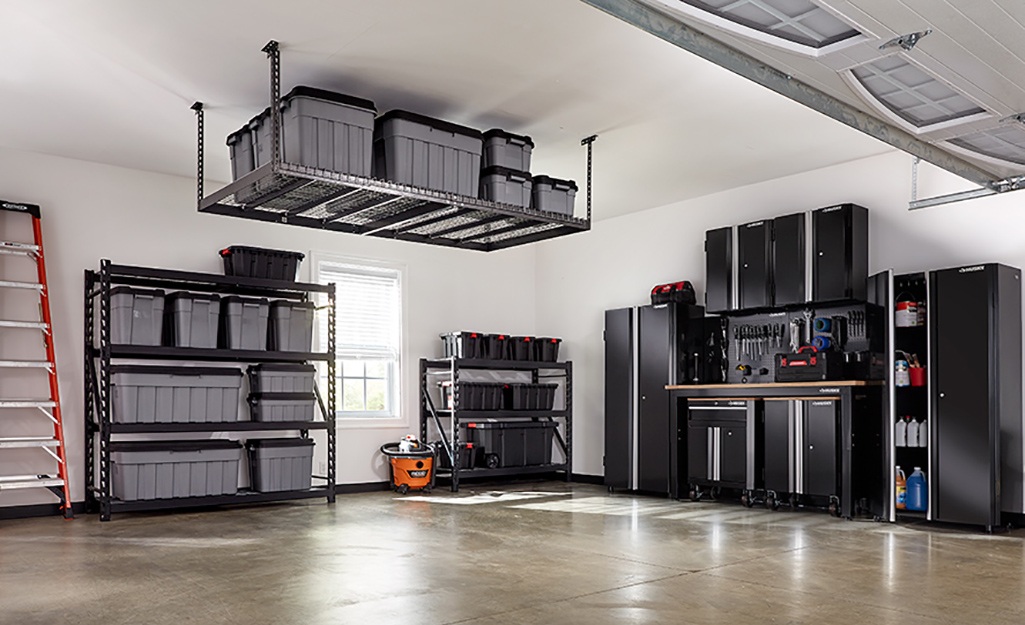
One of the most efficient layouts uses full-length walls to create continuous cabinetry. Tall cabinets anchor the ends, while mid-height and upper cabinets fill the center. This approach provides structured zones while keeping the garage visually cohesive.
3. Add Tall Cabinets for Bulky Storage
Tall cabinets are essential for large items—shop vacuums, camping gear, cleaning supplies, or bins of seasonal items. Place these closest to the garage entrance so you can access them quickly without moving the car.
4. Incorporate Base Cabinets With Durable Countertops
Base cabinets topped with a work surface create a functional workstation. Choose materials like butcher block or durable composite tops. This zone is perfect for DIY tasks, small repairs, and tool organization.
5. Use Upper Cabinets to Maximize Wall Space
Upper cabinets keep frequently used items accessible while freeing up floor space. Use them for paints, auto supplies, or craft materials. Mount them high enough to allow comfortable workspace clearance below.
6. Add Open Shelving for “Grab-and-Go” Items
If you like quick access to frequently used tools or cleaners, mixing in open shelves helps keep your layout flexible. Use baskets or bins to maintain visual order.
7. Create a Dedicated Tool Cabinet Zone
Place tool cabinets near your workbench for easy access. Drawer-style tool chests keep screwdrivers, wrenches, and other tools organized. Magnetic strips or pegboards above the counter complement this setup with vertical storage.
8. Design a Sports Equipment Station
Sacramento-area garages often double as sports gear hubs. Add tall cubbies or ventilated cabinets for helmets, uniforms, rackets, skates, and balls. Hooks and mesh bins help kids manage their own equipment.
9. Build a Garden Storage Wall
For homeowners who garden, dedicate a wall to rakes, gloves, soil, and fertilizers. Use moisture-resistant cabinets, and ensure hazardous chemicals are stored high or behind lockable doors.
10. Use Overhead Cabinets to Free Up Floor Space
If your garage ceiling is high, overhead cabinets or storage racks can protect seldom-used items like holiday décor or camping gear. Ensure they don’t interfere with garage door mechanisms or vehicle clearance.
11. Add a “Mudroom-Style” Drop Zone
If your garage connects directly to your home, consider creating a small entry zone with cabinets, shoe racks, and hooks. This helps keep dirt out of the house and provides a space for backpacks or daily-use items.
12. Consider Ventilated or Metal Cabinets for Durability
If your garage gets hot or humid, choose materials designed for temperature swings. Metal cabinets or ventilated panels prevent mold and moisture buildup, helping the system last longer.
13. Keep Hazardous Materials Behind Lockable Doors
Cabinets with locks are ideal for paint, chemicals, and sharp tools—especially if kids use the garage frequently. Include safety provisions in your layout from the beginning.
14. Plan Around Cars and Walkways
Your cabinet design should allow you to park comfortably and still open cabinet doors fully. Maintain enough space to move safely around your car, especially near entry points.
15. Use Lighting to Make Cabinets More Functional
Good lighting ensures your garage remains usable year-round. Bright LED lights above workstations and cabinet interiors help you find items quickly and maintain better organization.
Halfway through your planning, it’s common to explore Garage Cabinet Layout Designs to compare cabinet styles, configurations, and custom options. Seeing real-world examples makes it easier to visualize how your own space can be transformed.
As you narrow your choices, you may also browse listings from Business growth insights to review local remodelers, storage specialists, or cabinetry professionals who can help implement your design. These resources offer valuable information about service quality, customer experiences, and installation capabilities.
A well-designed garage cabinet layout does more than organize clutter— it redefines how the space supports your daily life. With the right combination of tall cabinets, base units, upper storage, and custom zones, you can create a garage that feels clean, efficient, and tailored to your needs.
If you’re ready to take the next step, consider mapping out your space, identifying your storage priorities, and consulting a professional who can help you bring your vision to life with durable, functional cabinetry.