Introduction
Online payments have become an essential part of modern commerce. From e-commerce purchases to subscription services and mobile transactions, consumers expect fast and secure payment experiences. However, as digital payments grow, so do concerns about data breaches, card fraud, and unauthorized transactions. This is where payment security technologies such as Mastercard tokenisation play an important role.
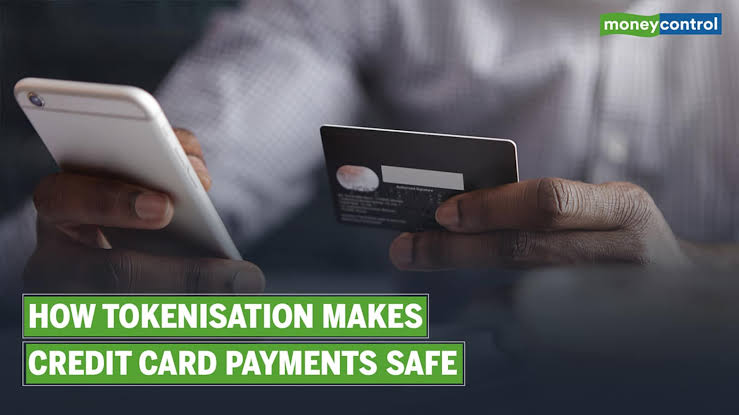
Mastercard tokenisation helps protect sensitive card information by replacing actual card details with unique digital tokens. This technology reduces the risk of exposing card numbers during online transactions and creates a safer payment environment for both customers and businesses.
What Is Mastercard Tokenisation?
Mastercard tokenisation is a security technology that replaces a customer’s card number, also known as the Primary Account Number (PAN), with a randomly generated digital token. This token can be used to complete payments without revealing the original card details.
Unlike a card number, a token has no meaningful value if it is stolen. It is linked to a specific device, merchant, or payment environment, making it much harder for criminals to misuse.
For example, when a customer saves their Mastercard details in an online shopping account or digital wallet, the merchant may store a token instead of the actual card number. During future transactions, the token is used to process the payment securely.
How Mastercard Tokenisation Works
The tokenisation process involves several key steps:
1. Customer Initiates a Payment
A customer enters their Mastercard details during an online purchase or adds their card to a digital wallet.
2. Card Details Are Replaced with a Token
A secure token service generates a unique token that represents the customer’s card information.
3. Token Is Used for Transactions
When the customer makes a payment, the token is sent through the payment network instead of the actual card number.
4. Payment Is Verified Securely
The token is checked and securely mapped back to the original payment details for authorization without exposing sensitive information.
This process allows payments to be completed while keeping card data protected throughout the transaction journey.
Benefits of Mastercard Tokenisation for Online Payments
1. Enhanced Payment Security
One of the biggest advantages of tokenisation is improved protection against data theft. Since merchants and payment providers do not need to store actual card numbers, stolen databases become less valuable to cybercriminals.
Even if a token is compromised, it cannot typically be used outside its intended payment environment.
2. Reduced Risk of Card Fraud
Online fraud often occurs when criminals gain access to card information. Mastercard tokenisation reduces this risk by limiting exposure to sensitive payment data.
Tokens can also include security controls, such as restrictions based on the merchant, device, or transaction type, providing an additional layer of protection.
3. Better Customer Payment Experience
Tokenisation supports faster and smoother checkout experiences. Customers can securely save payment information for future purchases without repeatedly entering their card details.
This is especially beneficial for mobile payments, subscription services, and e-commerce platforms where convenience plays a major role in customer satisfaction.
Conclusion
With the increasing adoption of e-commerce, mobile payments, and connected financial services, tokenisation will continue to play a crucial role in protecting online transactions. By combining security with convenience, Mastercard tokenisation represents an important step toward the future of safer digital payments.