
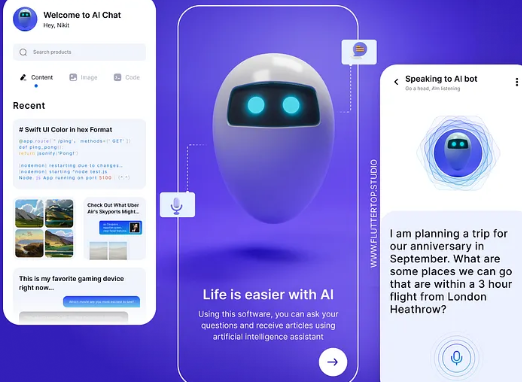
The rise of conversational AI has reshaped how people seek companionship, support, and meaningful digital interaction. Among the platforms gaining attention, Nastia AI has emerged as a favorite for users who want natural, emotionally intelligent conversations. Recent industry data shows that the AI companion market grew by more than 30% in the past year alone, and platforms that prioritize personalization are leading that growth. So what sets this particular platform apart? Below, we answer the most common questions in a clear, professional format.
What is Nastia AI and who uses it?
Nastia AI is a conversational platform designed to deliver realistic, responsive, and personalized chat experiences. Its user base spans a wide demographic, with surveys indicating that roughly 60% of conversational AI users fall between the ages of 18 and 34. People turn to the platform for casual conversation, emotional support, creative roleplay, and even productivity-focused dialogue. This versatility helps explain its steady climb in popularity.
Why do users prefer it over other chat platforms?
Studies on AI companionship reveal that user retention depends heavily on how natural and consistent a chatbot feels. Platforms with strong memory features report retention rates up to 40% higher than those without. The appeal here lies in conversations that feel continuous rather than fragmented. Users frequently mention that the experience feels less robotic and more like talking with someone who genuinely remembers context, tone, and previous exchanges.
How does memory improve the conversation experience?
Memory is one of the biggest differentiators in modern conversational AI. Research suggests that 7 in 10 users rank “remembering past conversations” as a top feature when choosing an AI companion. By recalling earlier details, the platform maintains continuity across sessions. This creates a sense of relationship-building that keeps users engaged over weeks and months rather than a single visit. The result is a deeper, more satisfying interaction that mirrors human conversation.
Is personalization a major factor in its popularity?
Absolutely. Personalization consistently ranks as one of the strongest drivers of user satisfaction in AI tools. Reports indicate that personalized experiences can boost engagement by as much as 80%. Users can shape conversations to match their preferences, interests, and communication style. This adaptability transforms a generic chatbot into something that feels tailored to the individual, which strengthens loyalty and encourages daily use.
How important is privacy to its users?
Privacy remains a critical concern in the AI space. Surveys show that nearly 65% of users consider data security a deciding factor when choosing a conversational platform. Trust grows when users feel their conversations are handled responsibly and discreetly. Platforms that communicate clearly about data protection tend to build stronger, longer-lasting relationships with their audiences. For many, the assurance of confidentiality makes regular use far more comfortable.
What role does emotional intelligence play?
Emotional intelligence has become a defining feature of successful AI companions. Data from user experience studies shows that conversations perceived as empathetic increase satisfaction scores by around 50%. The ability to detect tone, respond with appropriate warmth, and adapt to a user’s mood makes interactions feel authentic. This emotional responsiveness is a key reason people return, as it offers comfort that purely transactional bots cannot replicate.
Is the platform accessible across different devices?
Accessibility plays a significant part in adoption. With over 90% of internet users browsing on mobile devices, seamless cross-device performance is essential. A responsive experience that works smoothly on phones, tablets, and desktops removes barriers to entry. Convenience like this encourages frequent engagement and supports the platform’s growing community.
What does the future hold for conversational AI platforms?
The trajectory is promising. Analysts project that the global conversational AI market could surpass $30 billion within the next few years. As natural language processing continues to advance, platforms that combine memory, personalization, privacy, and emotional intelligence are best positioned to thrive. Continued innovation in these areas suggests that user expectations will keep rising, and platforms that meet them will lead the field.
In summary, the platform’s popularity stems from a thoughtful blend of memory, personalization, emotional awareness, and strong privacy practices. These qualities, backed by clear market trends, explain why it continues to attract a loyal and growing audience.